Romania route
Medical residency in Romania, explained for international graduates
What non-EU medical graduates actually need to know about residency training in Romania — how selection works without a national entrance examination, what the language law requires, and where the training happens.
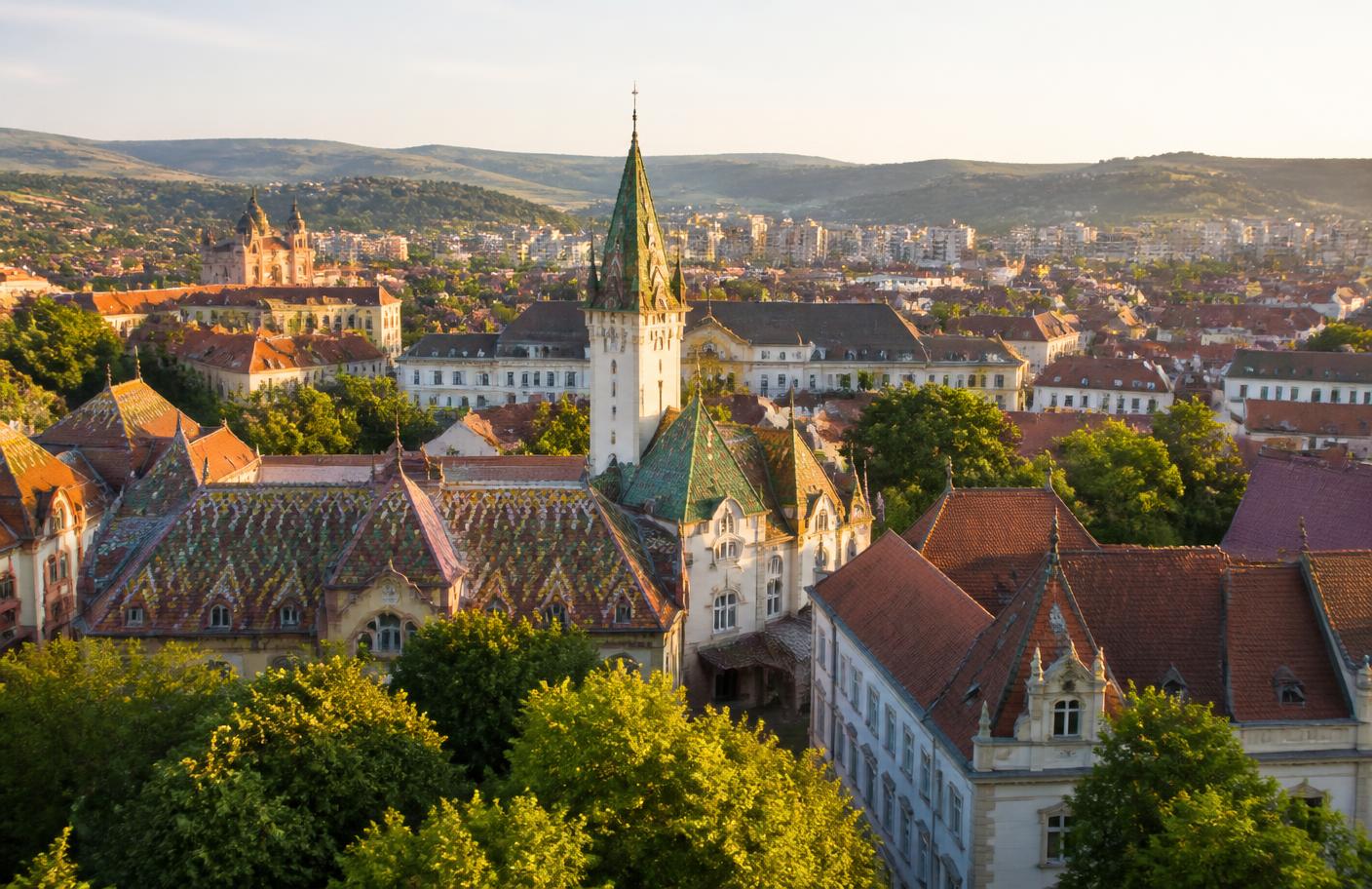
The route at a glance
- Entrance exam
- None on the international (non-EU/EEA) route — selection is file-based.
- Language of training
- Romanian, by law. B2 certificate or accredited preparatory course.
- Training duration
- 3–6 years depending on the specialty.
- University
- UMFST George Emil Palade, Târgu Mureș.
- Specialties available
- 49 specialties across medical, surgical and paraclinical fields.
- Final qualification
- Romanian Ministry of Health specialist examination and certificate.
How to get a residency place in Romania, step by step
- 01
Confirm eligibility
A medical degree from a WHO-recognized school, internship/registration where applicable, and documents ready for recognition in Romania.
- 02
Start Romanian language early
Residency in Romania is conducted in Romanian. The language program runs in parallel with your application so the certificate is ready before enrollment.
- 03
Build the file
Degree, transcripts, CV, motivational essay, two specialty-relevant recommendation letters, and three ranked specialty choices.
- 04
Pre-selection in the UAE
Administrative screening, academic evaluation and a Multiple Mini Interview at Thumbay before your file is recommended to UMFST.
- 05
UMFST committee evaluation
One committee reviews every file holistically, ranks candidates, and allocates seats down the ranking to the highest available stated choice.
- 06
Recognition, visa, relocation
Degree recognition through the Romanian authorities, Ministry of Education Acceptance Letter, long-stay visa and housing in Târgu Mureș.
Three things applicants get wrong
"I have to sit the Romanian residency exam."
The national contest applies to the Romanian/EU route. International candidates on this pathway are selected on file and interview instead.
"Training can be done in English."
It cannot. Clinical residency in Romanian hospitals is delivered in Romanian, which is why language preparation starts on day one.
"Any specialty is guaranteed."
Seats are allocated by ranking against the places available, which is why you rank three choices rather than naming one.
Go deeper
- All 49 specialties and durationsMedical, surgical, paraclinical — with teaching hospitals.
- Admission criteria and documentsEligibility, language, interview, deadlines.
- UMFST & Târgu MureșThe university, the city and the clinical network.
- Tuition and costs€15,000 annual tuition and what to budget for.
- The international pathway modelHow a UAE-based pathway into European training works.